Showing posts with label Climate Change. Show all posts

Tuesday, 14 March 2017

A Bitter, Sweet, Chocolate Forest

Cocoa Pods
Ghana's main export is cocoa, the bean that we know and love as the foundation of chocolate! My work with women farmers took me into the jungle of the Eastern Volta Region to meet farmers and learn about the cash crop that had taken over much of Western Africa's agricultural landscape. Most of the farmers I met had never even seen a chocolate bar, let alone tasted one, a product of the bitter sweet tale of cocoa in Africa.

As we drove along the red dirt road my colleague pointed out the window "that's all cocoa." I stared into the forest not understanding, it didn't smell like the sweet scent of the Hershey factory I remembered as a kid driving through Smith Falls, Ontario. An unassuming farm appeared through the trees, we parked along the piles of ripening cocoa pods, remnants of the days harvest. We walked past the plywood bins where beans were fermented and the bamboo boards used for drying them afterwards and walked on to the nursery. A worker handed me an opened pod she was taking beans from to plant into plastic bags of soil, "eat it" she told me. I popped the fresh bean, coated in thick, creamy-white membrane into my mouth. It also tasted nothing like chocolate and I spat it out after a few chews, the purple contents sour and definitely an acquired taste.

Ripe Cocoa Pod
You always hear about special Belgian chocolates or quality Swiss chocolates... but these European companies that have grown famous for their chocolate production don't actually grow the beans that get transformed into the worlds famous treat. In fact, 16 out of the top 20 chocolate consuming countries are European. The Swiss alone consume up to 22lbs of the sweet stuff per person per year. It turns out cocoa is pretty good for you too, flavonoids found in cocoa lower cholesterol it was even touted as a medicine for TB and cholera in the 19th century but we now know that was mainly because it helped people gain weight quickly. If you look further at the prolific-ness of European chocolate companies however, you can trace their success to colonial rule and further to the exploitation of indentured workers and children.

The Spanish first discovered a hot cocoa beverage mixed with local herbs and spices being drunk by the Inca and Aztecs in South America. Chiefs and Kings drank the liquid drink as a tonic, an aphrodisiac and supposed male enhancement tool.  When they brought cocoa to Europe it was an instant sensation and the popularity of chocolate has been ever increasing. Since Cocoa trees were introduced to Africa in the 17th century, production exploded and rich European land owners were the main benefactors. The plantations they ran were worked by minimally paid and enslaved workers, a bitter taste in the history or a sweet treat. Cote D'Ivoire and Ghana are now the worlds largest producers together growing more than half of all the cocoa the world consumes.

Cocoa Tree's
Unfortunately labour exploitation and chocolate go hand in hand. If you are eating a $2 nestle chocolate bar it is likely the farmer who grew that cocoa is making less than .10 cents of that. Not only are farmers often underpaid but the industry is ripe with forced labour and even child slaves. If you need another reason to stop patronising business' like Nestle check out The Dark Side of Chocolate for free on Youtube to delve further into corruption in the cocoa industry.  Though we did see children amongst the farmers, it was difficult to assess their employment status. Could they be helping a parent after school or was this a full time job I knew not, but their hands were involved in the cocoa's cultivation and harvesting.

Climate change is a also a threat to future cocoa production as the beans can only grow in a narrow corridor around the equator. The crop remains vulnerable to the expected effects of global warming and the increase of drought and pests. If temperatures continue to rise and vary, the crop may become inviable which means, no more chocolate for anyone. As it is mainly exported (for little return to the farmer) if the market were to crash a farmer could live off of the cash crop and instead would need to supplement with other crops and income streams to survive.

Cocoa Nursery
Working with women farmers we must also consider the gendered component of cocoa farming. Most of Ghana's farmers are women, while most farm and land owners are men and traders and government continue to be male dominated. Women's work continues to be underpaid and undervalued and unconsidered in policy making, which was true in the cocoa forests I visited. Women will continue to play an important role in Ghana's development and through empowering them economically and socially they will continue to improve their lives and their families.


As I continue my work in introducing female empowerment, bookkeeping and marketing strategies to women farmers I will also be researching with by-products that can be sold locally or even wider to supplement their incomes. The take away for you the reader is hopefully that you might consider the source of your chocolate the next time you go for a cocoa fix. With so many of us concerned about sourcing and labelling, Chocolate should not be exempted from this trend. Consider Fair Trade, Slave Free Chocolate and ethically sourced chocolate companies. Those extra few dollars you could be spending might be the difference between an enslaved child and a fairly paid household income.


Monday, 3 October 2016

Post-Summer Update

Goldstream Provincial Park

After a few months off I am back and eager to catch everyone up on my summer and new post grad life! I have left my personal bubble of the university that was a safe space filled with like minded individuals. I have found that the rest of the world has a lot of things to catch up to in their ways of thinking about the environment and sustainability, sometimes frustratingly so. Never the less my new home on Vancouver Island has proven to be a bit of a hub of local food loving and conscientious  people. Be it the burgeoning young farmer and agrarians groups or the musicians and yuppies, people seem to generally agree on one thing- Local food is the bomb diggity! While some of us preach the word others are in the trenches building the foundations of our future food system. I salute you fellow foodies and I beg you spread like wildfire across the landscape.
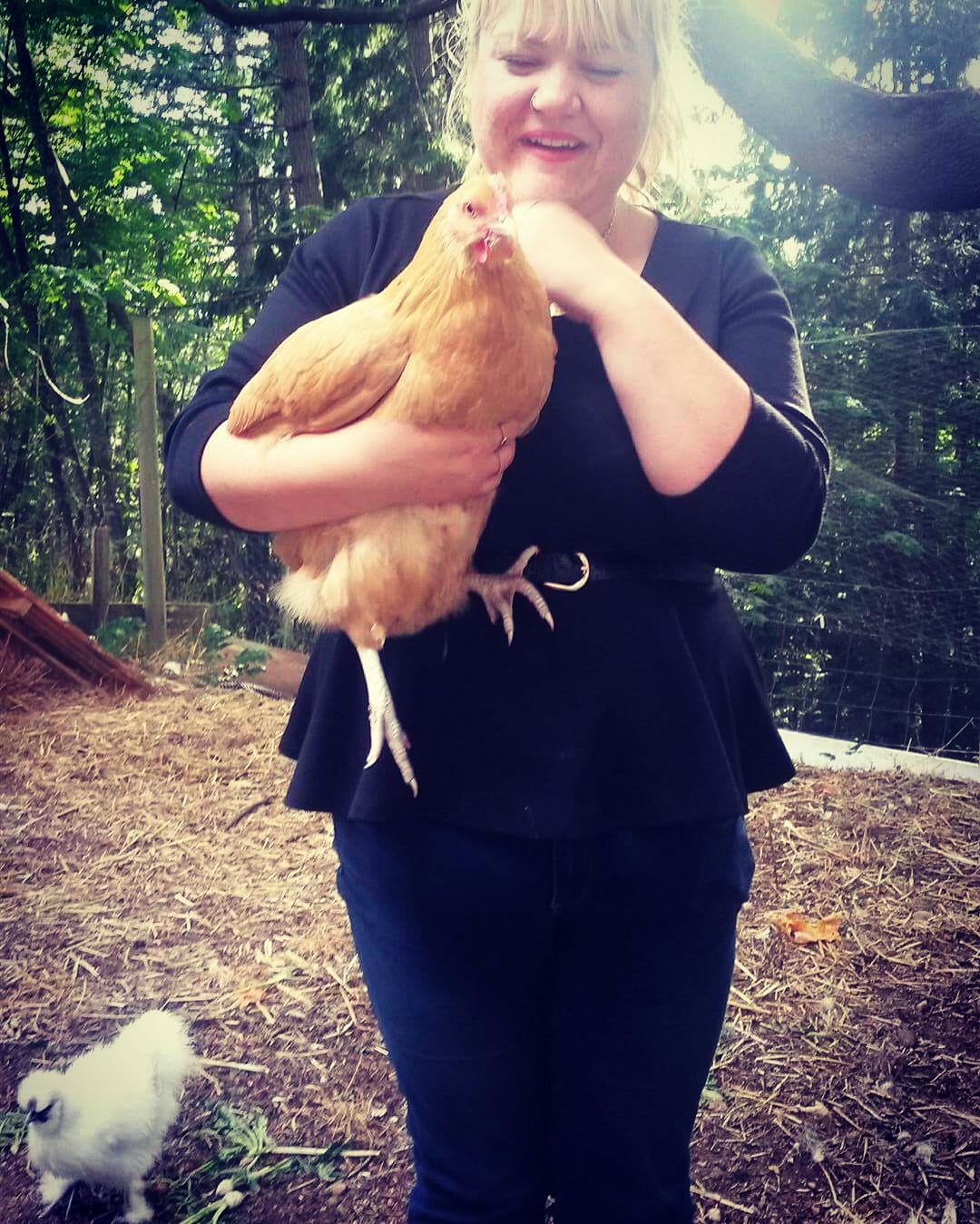
Chickens!


So many exciting things happened this summer, here is a quick run down:
  • I eat meat! (post coming soon!)
  • Vancouver Island
  • Organic Farming
  • Chickens! 
  • 2 jobs
  • Farmers Markets 6 days a week
  • Moving (again!)
Hard at Work 
This summer has been the most local loving yet and I had a blast doing it. Though my summer contracts are finishing up and I am looking forward to moving on to new projects in the winter months and a bit of a break in between. 

Stay tuned for the next exciting chapters!

XX Melanie

"Progress is impossible without change, and those who cannot change their minds cannot change anything." -George Bernard Shaw


Tuesday, 22 December 2015

8 Ways Your Diet Can Reduce Climate Change

Global Climate March- Prince George, Nov 29
With the world's attention on climate change at the recent COP21 conference in Paris, I thought it may be interesting to look at how climate change and food are related issues. A lot of attention has been spent on the big, bad fossil fuel industry but did you know meat production burns more fossil fuels than all the cars on the road combined? Agriculture itself is responsible for up to 30% of all emissions, so changing the way we eat and think about food can help fight global warming!

But what can you do? Making simple changes as a consumer and eater (which we all are) can go a long way if we act together!
  1. The first thing you can do to reduce greenhouse gases and slow climate change? Lose the meat! I am not saying everyone needs to become a vegetarian or vegan, (but that would be great) but even cutting back to one meal a day with meat can make a big difference! Why not try Meatless Mondays?
  2. Go Local!!! As this blog title advertises, shopping local is the best! Buying local products will reduce transportation and processing associated with imported foods. Check the local section in your grocery store, read labels, or shop at the Farmers' Market! 
  3. Buy Whole foods. They will be less packaged, have fewer additives, be less processed...less can be more and it is overall healthier for you! 
  4. Grow your own food! Why not cut out all those middle people, transportation, and waste and go straight to the source by growing your own veggies? Just $1 in green bean seeds can yield $75 worth of produce! How's that for a money saver and planet saver?!
  5. Eat in Season! Eating in season goes hand-in-hand with shopping locally and growing your own food, and will reduce energy and transportation normally expended on your meals. 
  6. Food Waste is not sexy!
  7. Choose Organic. Organic food is produced with fewer chemicals, no artificial hormones, healthier soils and supports a better agriculture system that can feed the world.
  8. Don't waste it! Throwing out food that has already gone through so much to get to your plate is a travesty.  If after all that production, transportation and manufacturing occurs, food is wasted, we might as well leave our cars running all night long for the rest of our lives, too! Don't throw out the energy, time and resources by buying only what you need and taking leftovers home.
  9. Compost veggie scraps and leftovers. Instead of scraps going to the landfill, they will break down in your home composter and make organic fertilizer to grow your own food! Win-win! 

Vote with your dollars and show how we, the consumers, are the ones in control of the demand and will ultimately fix the broken food system we have created!

In good food,

Melanie

"Getting the whole food system to change is a seriously big challenge. But one thing is clear: no change in food means no gain in climate change prevention."- Rebecca Wells & Tim Lang


Tuesday, 30 June 2015

8 Reasons Why I'm A Vegetarian

I am a supporter of anyone who eats meat in moderation and from sustainable sources but for many reasons I am not a meat eater. I have been a vegetarian since 2002 (with a couple breaks here and there) and to me it is completely normal now and not difficult at all. Which is why I was surprised when people mentioned it would be difficult to eat locally and maintain a vegetarian diet. I only eat local, organic dairy and farm fresh free range eggs because it fits with the local side of my diet so really I am a hybrid Vega-Locavore!

Friends Not Food
Here are my reasons for being a vegetarian (they have changed a bit since I was 12):
  1. Save the planet! 
    • Vegans and vegetarians cut out emissions associated with meat production, and those are big numbers! Meat consumptions comes out to about 14.5% of total co2 emissions (that's as much as all the cars on the road!) So eat less meat, make less gas, help reduce climate change, save the planet!  
  2. I don't want to support the industrial agricultural system. 
    • That promotes meat consumption in excess and heavily processed foods. Whole foods and organics are a priority for me so a vegetarian diet makes sense. 
  3. For my health
    • Less cholesterol, less chemicals, lower in fat, less sodium, less processed....the list continues of the health benefits of plant based diets. Switching to vegetarianism can decrease your chances of heart disease, type 2 diabetes and high blood pressure in half. 
  4. Animals are my friends
  5. Pet or Meat? 
    • Why we love dogs, eat pigs and wear cows is a really interesting Ted talk you should check out if you are thinking about making the switch away from eating animals (or if you are just cool and like Ted talks).  I first became a vegetarian because of my love of animals and that aspect will always be in mind when considering food. 
  6. If I can't kill it I can't eat it. 
    • The only way to be really responsible for your food is by growing/raising your own. Then you can understand how it came to be and respect it. Therefore by not having the stomach to raise my own meat to slaughter I will remain vegetarian. 
  7. Vegetables are better for the environment
    •  Growing vegetables takes less energy, water and space than livestock. It takes 2,400 gallons of water to produce 1 lb. of meat or 25 gallons to produce 1 lb. of wheat. On the same parcel of land you can grow 100's of times more vegetables then meat, so over all vegetable production is a better use of our precious resources.  
  8. Feed the world
    • We can consider the amount of deforestation, water and waste involved with growing crops to feed livestock, crops that could go to feed the worlds poor and hungry. We currently grow enough food to feed all of earths inhabitants if we were just more efficient  in its use. 
  9. Feel better
    • Being conscious of my food choices and and knowing where and how my food was produced gives me piece of mind so being a local vegetarian lets me rest easy. 

Have a lovely day,

Melanie XX

"Violence begins with the fork." -Mahatma Gandhi